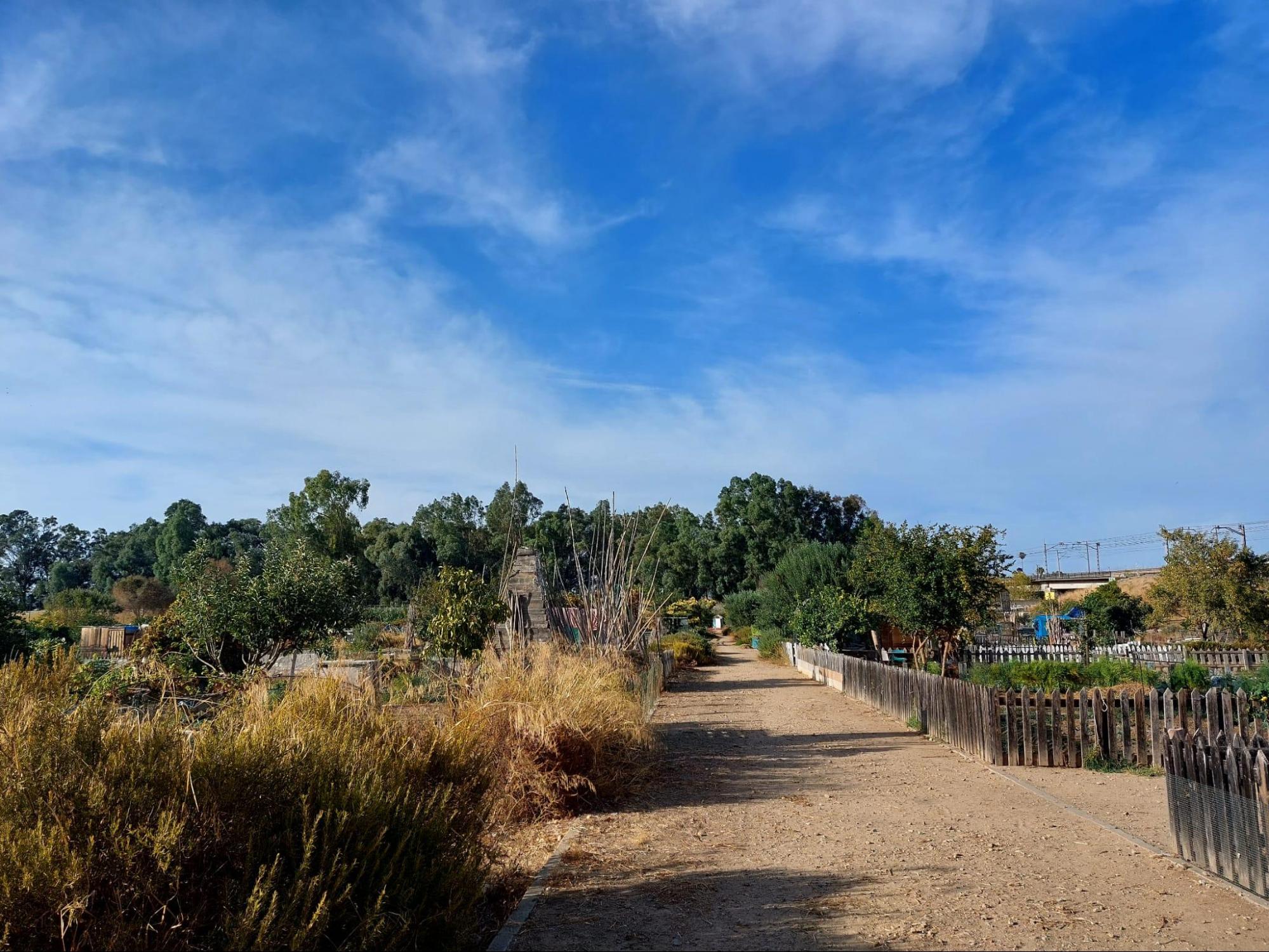
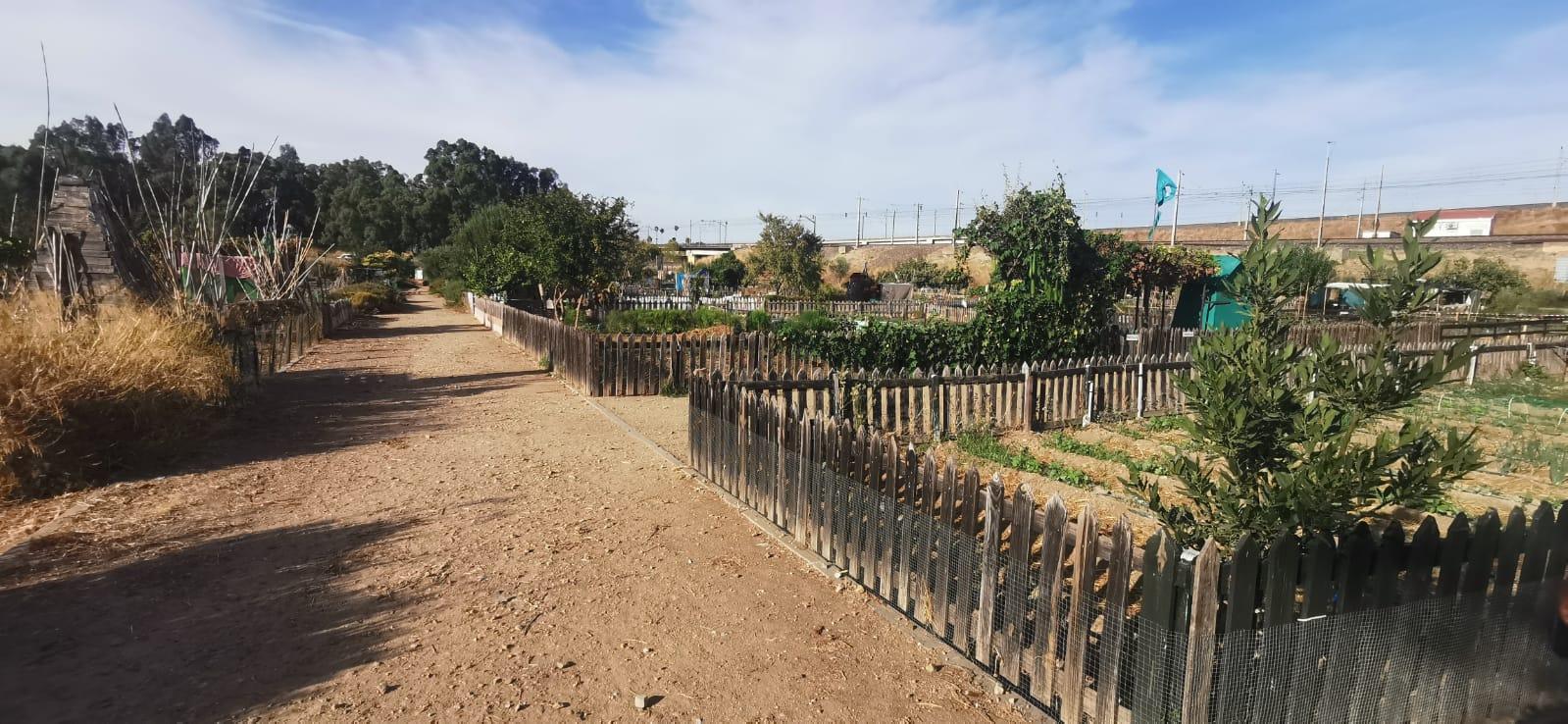
One of CEAM’s key programmes is the Garden Programme, which offers more than 200 organic family gardens, along with additional plots managed by associations. These spaces, each measuring around 100 square metres, allow gardeners to grow food using organic methods, promoting sustainable agricultural practices and the local production of high-quality food. In the short term, this programme has encouraged community participation and education in environmentally friendly agricultural techniques. In the long term, it promotes greater ecological awareness and strengthens social ties within the community.
Another important initiative is the Aldea Programme, which offers facilities for ecotourism activities. This programme allows groups and organisations to carry out environmental activities, including the option of staying overnight at the centre. In the short term, it has expanded the range of educational and recreational activities related to environmental awareness. In the long term, it is expected to deepen participants’ appreciation and commitment to nature conservation.
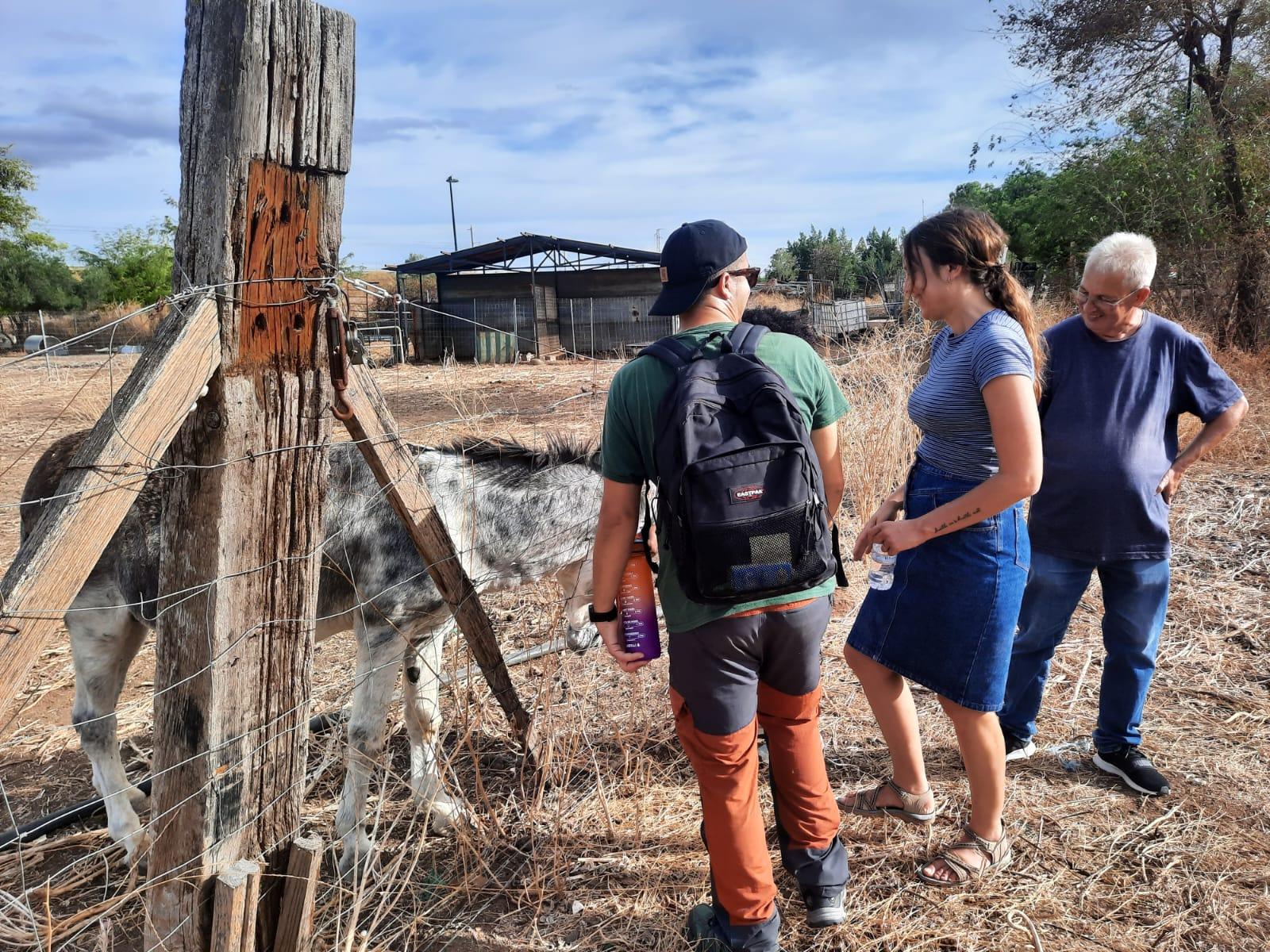
CEAM has facilities that house various animals for educational and recreational purposes for children and adults. In the short term, it has facilitated direct interaction with animals, enriching the learning experience. Over time, it fosters respect for living beings and a greater understanding of the importance of biodiversity.
The Equestrian Programme is a notable initiative in the northern district of Seville, with more than 3,000 square metres of equestrian facilities. This programme not only offers riding lessons, but also aims to introduce equine therapy in the future, promoting the inclusion and well-being of people with different abilities.
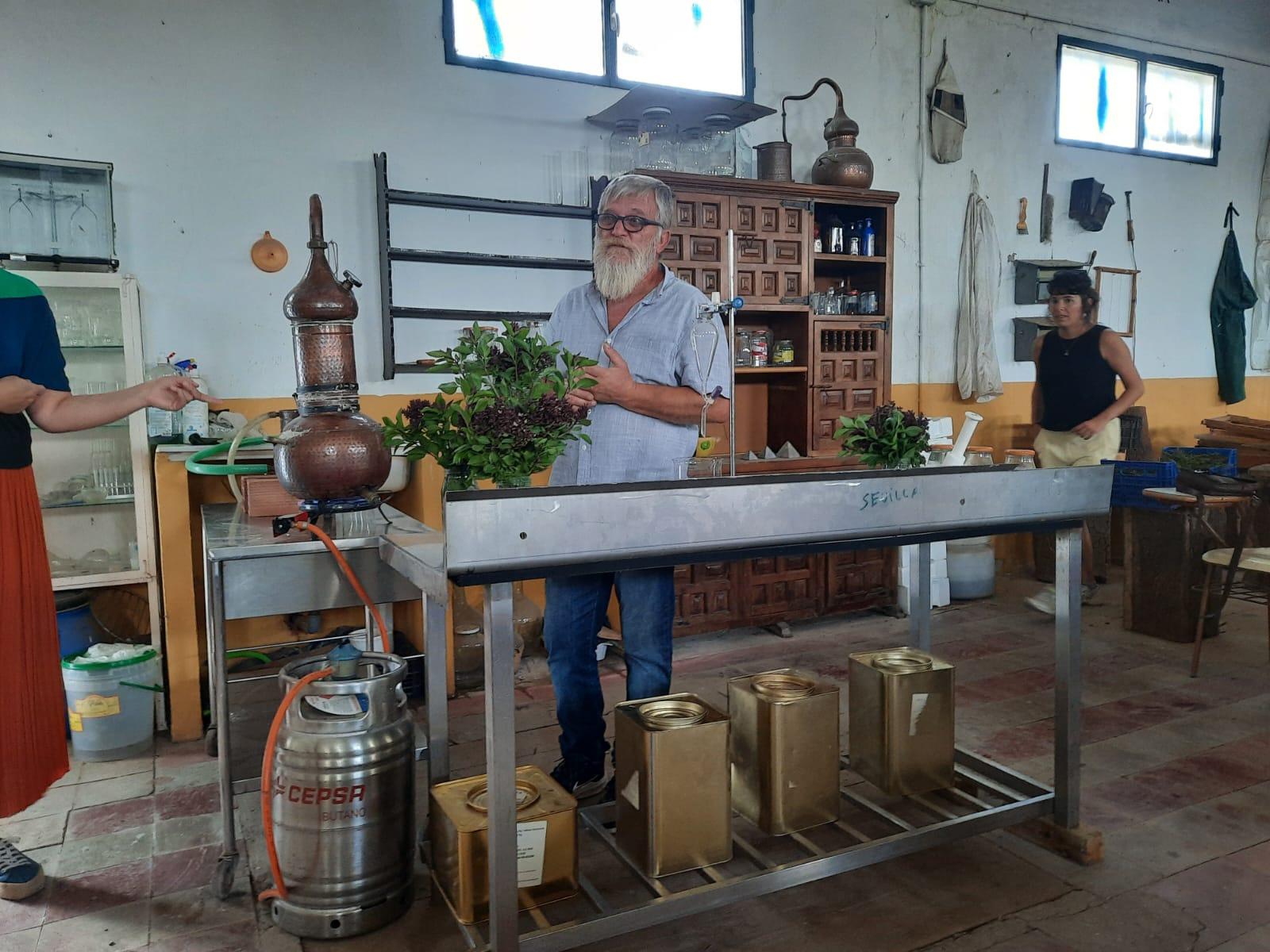
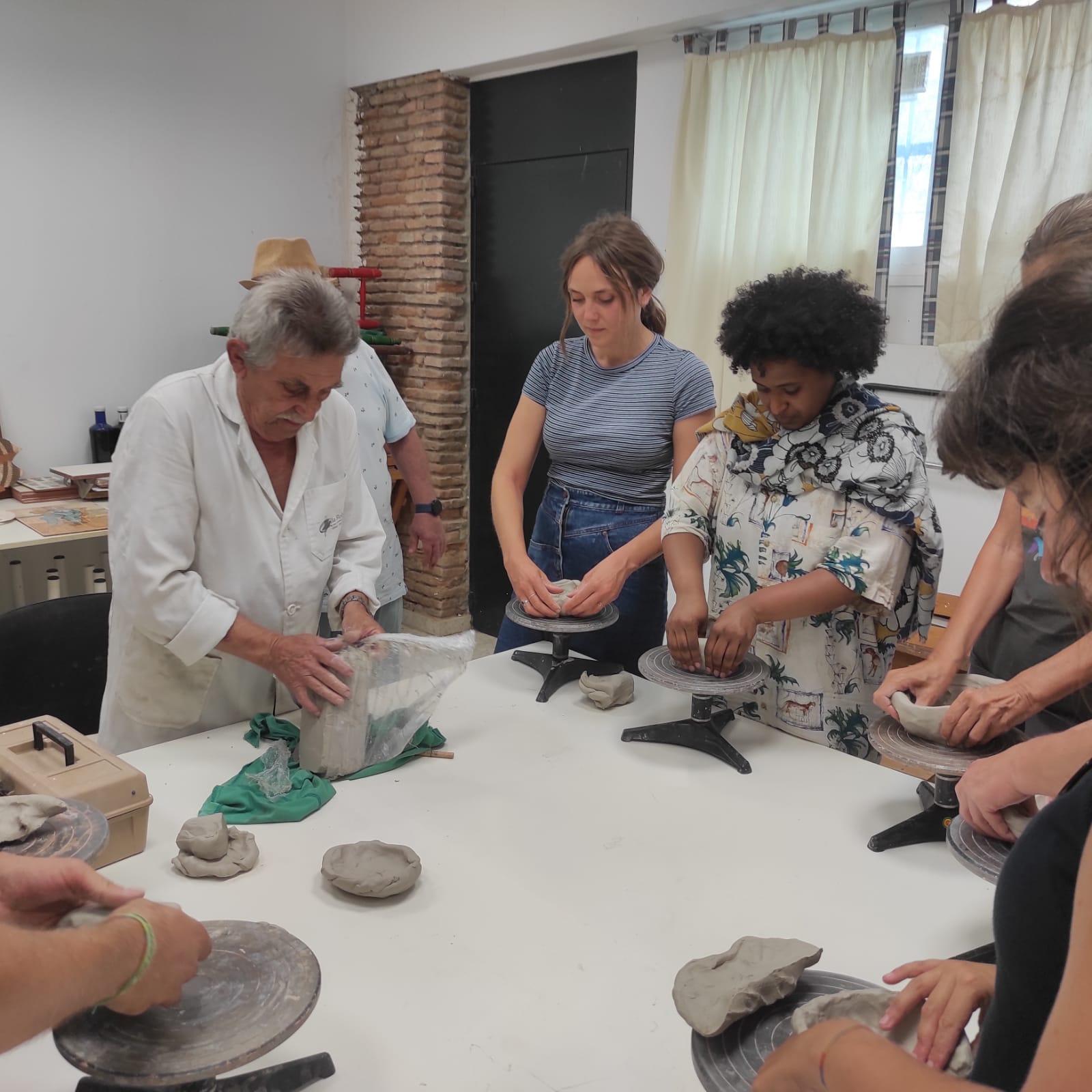
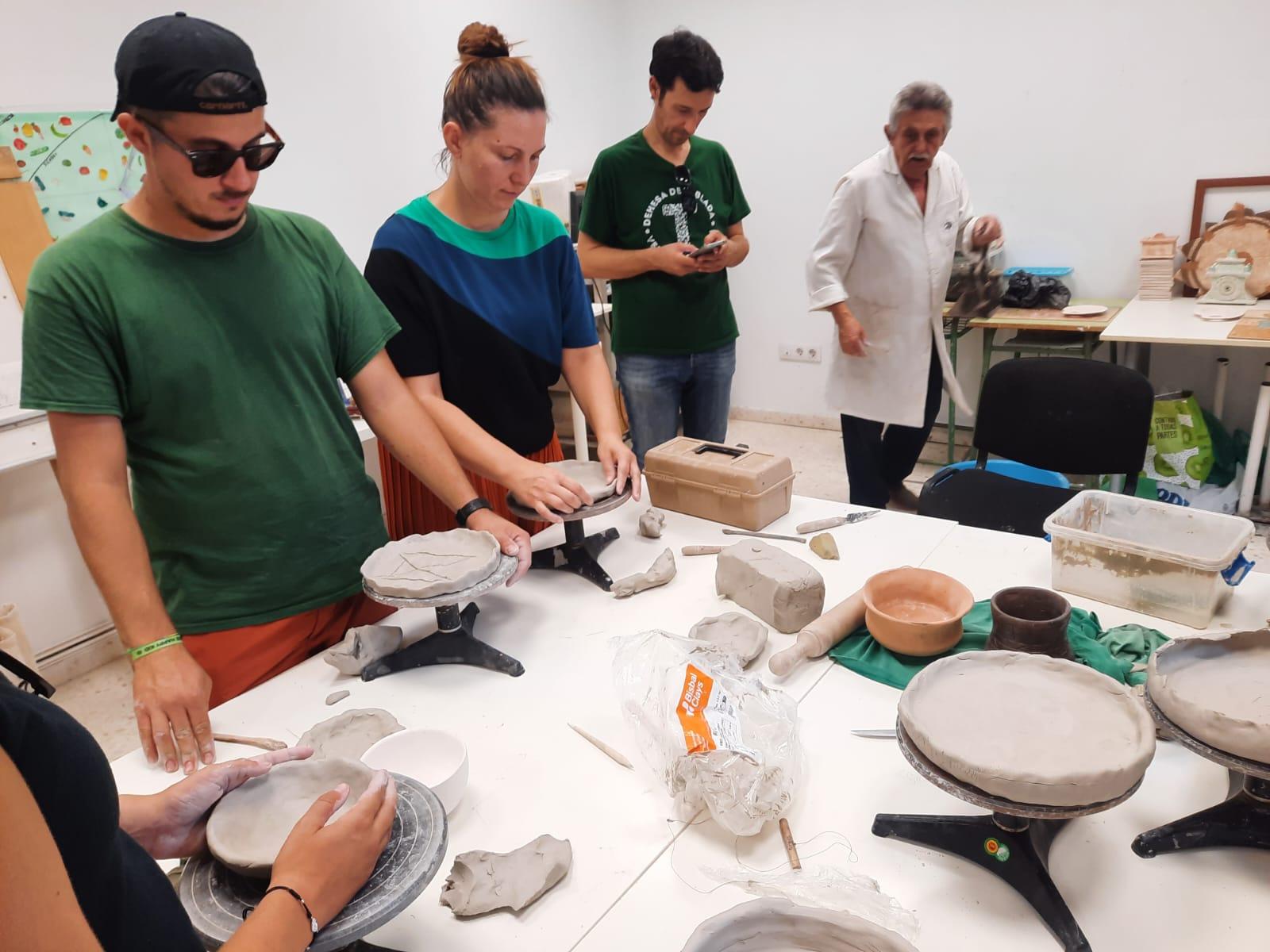
CEAM hosts different types of workshops, courses, conferences, etc. Some are promoted by experts in a certain field, and others by the city council. Some of them are:
Bread workshop
Ethnobotany workshop
Natural cosmetics workshop
Cattails workshop
Ceramics workshop
The CEAM facilities include an incredible museum that collects both pieces found on the CEAM grounds and other pieces donated by people who participate in the garden as well as the Pino Montano neighbourhood community.
CEAM’s activities address key objectives within a community garden, such as environmental education, the promotion of sustainable practices and community building. In the short term, concrete results include greater public participation and environmental awareness. In the long term, these initiatives contribute to the development of a more conscious society committed to sustainability and care for the environment.